Cupping is a time-honored therapy in Traditional Chinese Medicine (TCM). By applying negative pressure to the skin, it stimulates meridians and acupoints to promote blood circulation, remove blood stasis, dispel cold and dampness, and relax muscles and tendons. Its underlying principles are based on both the TCM theory of Qi and Blood, as well as modern medical mechanisms that improve local blood circulation. It is widely used to relieve muscle pain and improve sub-health conditions.
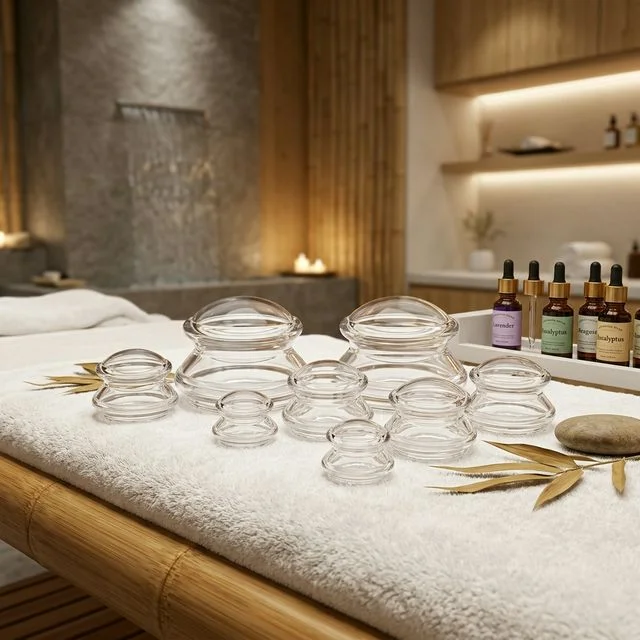
1. Principles of Cupping
1.1 Traditional Chinese Medicine Theory
According to TCM, cupping applies negative suction to the skin to stimulate meridians and acupoints, regulating the flow of Qi and Blood while balancing Yin and Yang. When the human body is affected by cold, dampness, or blood stasis, cupping helps to unblock the meridians, dispel pathogenic factors, and restore natural bodily functions.
1.2 Modern Medical Explanation
The negative pressure generated during cupping causes local capillaries to dilate, which promotes blood circulation and accelerates metabolism. Simultaneously, it stimulates nerve endings to help regulate nervous system functions. Furthermore, the suction provides a stretching effect on muscles and fascia, which effectively relieves muscle tension and connective tissue adhesions.
2. Main Benefits of Cupping
2.1 Pain Relief
Cupping is highly effective in alleviating pain in the neck, shoulders, lower back, and joints. It is particularly beneficial for discomfort caused by muscle strain, fatigue, or chronic inflammation.
2.2 Dispelling Dampness and Detoxification
By enhancing local metabolism, cupping assists the body in expelling internal "dampness" and metabolic waste, which helps improve symptoms such as edema (water retention) and chronic fatigue.
2.3 Improving Sub-health Conditions
Regular cupping can help address sub-health issues such as insomnia, indigestion, and a weakened immune system, serving as complementary support to restore the body's natural state of balance.
2.4 Adjunct Treatment for Illnesses
Within the TCM framework, cupping is frequently used as an adjunct therapy for respiratory conditions (such as the common cold, coughs, and asthma), as well as certain gynecological issues.
3. Precautions and Contraindications
3.1 Suitable Candidates
It is particularly effective for individuals with a "cold" constitution, heavy internal dampness, or Qi and Blood stagnation. Traditionally, it is recommended to be administered or guided by professionals.
(Note: Modern silicone cupping sets allow for safer, easier self-care at home, provided guidelines are followed.)
3.2 Contraindications
- Strictly prohibited for individuals with damaged skin, allergic reactions, or severe skin diseases.
- Not recommended for patients experiencing high fever, convulsions, or those with blood coagulation disorders.
- For pregnant women: Cupping is strictly prohibited on the lower back, abdomen, and directly over the heart. (Note: Our 100% medical-grade silicone cups are non-toxic and safe for maternal use on other safe areas like the upper back or limbs for tension relief).
3.3 Key Operational Guidelines
- Duration: Treatment time should be strictly controlled between 5 to 15 minutes to prevent skin blistering or unnecessary tissue damage.
- Aftercare: After a cupping session, it is critical to keep the treated areas warm and avoid exposure to cold air or drafts.
Ready to supply your clinic or brand?
Get wholesale pricing and free consultation on our premium silicone cupping sets.
Request a Quote